
Solarsat guide
Starlink vs fibre vs 4G/5G broadband for rural homes and farms
Rural properties often have a choice of three very different ways to get online. This guide compares them honestly so you can pick the one that suits your home or farm, not the one with the loudest advertising.
Phones and email Monday to Saturday, 8:30am to 6pm. Showroom visits by appointment.
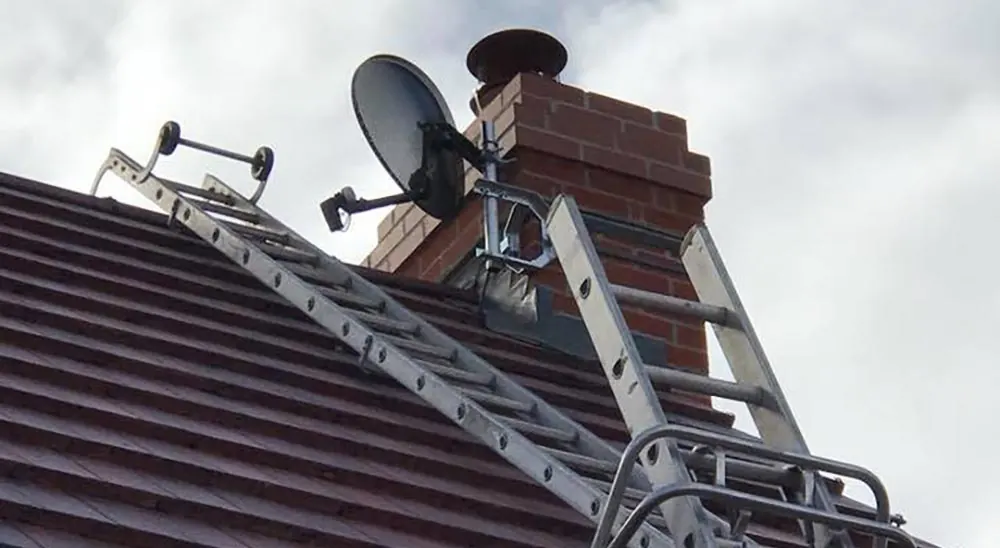
Start with what you can actually get
Before comparing technologies, find out which ones reach your property. Full fibre runs a fibre-optic line all the way to the building, and where it is available it is usually faster, cheaper and more consistent than either satellite or mobile broadband. If fibre is on offer at your address, it is normally the first choice.
Many rural homes, farms and business units are still stuck on slow copper lines a long way from the cabinet. That is where Starlink and 4G or 5G come in. Both avoid the long copper run, but they work in very different ways and suit different situations.
Starlink: plans, speeds and latency
Starlink uses a dish that talks to a large network of low orbit satellites. Because those satellites are much closer than traditional broadband satellites, latency is far lower, typically around 25 to 60ms. That is low enough for video calls, streaming and most online gaming.
At the time of checking, residential plans started from about £40 a month for a 100Mb plan, £60 for 200Mb and £80 for the Max plan of around 400Mbps. Starlink's own figures put average UK speeds at roughly 210Mbps download and 20Mbps upload. The 100Mb and 200Mb plans are only available in selected areas.
Contracts are rolling one month with a 30-day trial and unlimited data. There is a £19 delivery fee, and the standard kit is a no-cost rental that you return if you cancel. A professional engineer install costs around £74 extra. Plans and prices change, so check the current terms before you order.
Starlink suits rural homes that cannot get fast fixed-line broadband. The dish needs a clear view of the sky, so trees and tall buildings matter more than distance from any exchange.
Comparing the three side by side
On speed, full fibre generally leads, Starlink sits in a strong middle ground for rural sites and 4G or 5G ranges from excellent to poor depending entirely on the local signal. On consistency, fibre is again the steadiest, Starlink is dependable with a clear sky view, and mobile broadband can slow at busy times as more people share the mast.
Upload speed is often forgotten. If you send large files, back up to the cloud or run cameras that upload footage, check upload figures as well as download. Starlink's own average UK upload figure of roughly 20Mbps is enough for most households and small offices, but it is well below what full fibre can offer.
Setup also differs. Fibre needs a line to the property, Starlink needs a dish with a clear view and a cable into the building, and mobile broadband needs a good signal, ideally with an outside antenna. Each has its place, and on some farms a combination gives the best resilience.
4G and 5G home broadband
Mobile broadband uses a router with a SIM card that connects to the nearest phone mast. Where there is a strong 4G or 5G signal it can be quick to set up and perform well. Where the signal is weak, which is common in dips, valleys and older buildings with thick walls, speeds can be disappointing and vary through the day as more people use the mast.
An external antenna, mounted high on the building and aimed at the mast, often makes a big difference compared with a router sat on a windowsill. It is worth checking coverage for each network at your exact address, because one operator can be much stronger than another in the same village.
Which suits your property
If full fibre reaches you, it will usually win on speed, price and consistency. If it does not, and you have a clear view of the sky, Starlink gives dependable speeds regardless of how far you are from the exchange or mast. A strong mobile signal can make 4G or 5G a sensible option, especially with an outside antenna.
Farms and larger sites often have a second problem: getting the connection from the house to the barns, workshop or office. Whichever service you choose, a point-to-point wireless link or a buried cable can carry it to outbuildings, and access points can spread it around the yard.
Getting the setup right
Most disappointing rural broadband comes down to the install rather than the service. A Starlink dish fixed where a tree clips its view, or a 4G router hidden behind stone walls, will underperform. We survey the property, mount equipment where it works best and carry the connection to where you need it inside the home or across the site.
We work across Mildenhall and West Suffolk. If you are weighing up the options, call us or send an enquiry and we will talk it through.
Source: Starlink plan prices checked on broadband.co.uk on 2 November 2026. Plans and prices change, so check current terms before ordering.
Have a question about your own property? Contact our Mildenhall team.
Related services
Services this guide covers
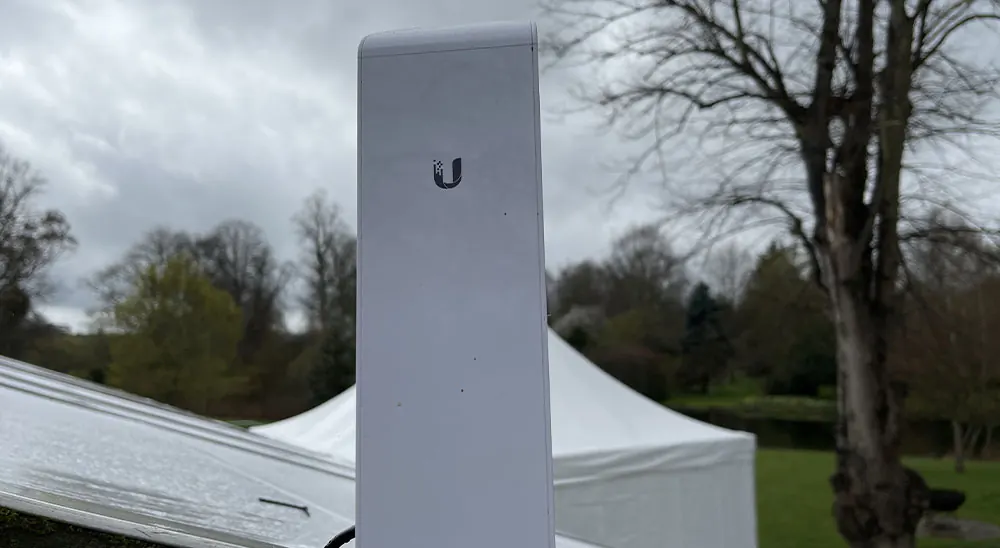
Rural broadband
Fast, reliable internet for rural homes and businesses using 4G, 5G and Starlink, with planning, installation and support.
Find out more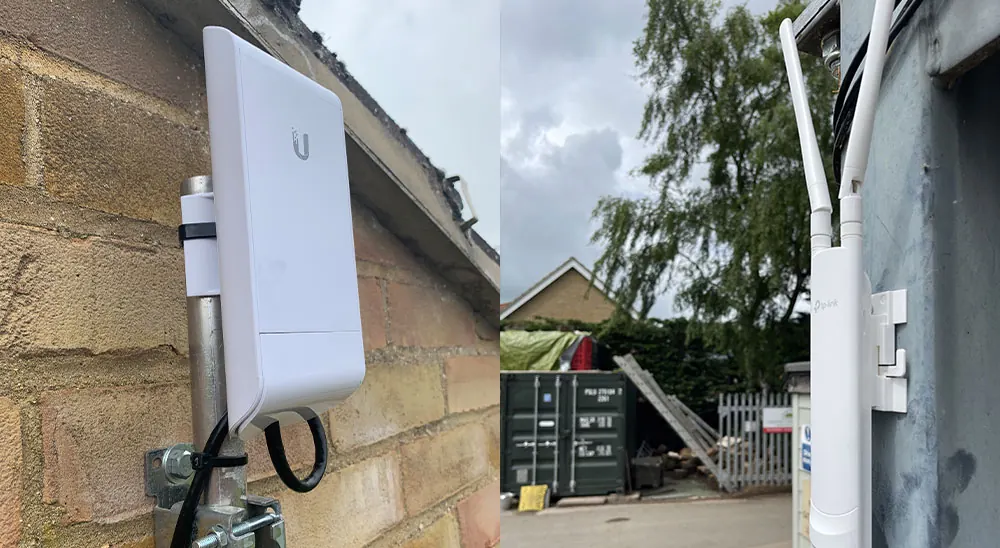
Starlink installation
Starlink dishes positioned for a clear view of the sky, cabled in neatly and shared round the house and outbuildings.
Find out more
FAQs
Frequently asked questions
Want advice for your own home or business?
Call our Mildenhall team or send an enquiry and we will talk through the options.
Enquiries
Ask us a question or get a quote
Tell us a little about your property and what you need. We will get back to you to talk it through.
- 01638 515551
- info@solarsat.co.uk
- Phones and email Monday to Saturday, 8:30am to 6pm
- 8 High Street, Mildenhall, Suffolk IP28 7EQ. Showroom visits by appointment.