
Solarsat guide
Adding sockets and fused spurs safely
An extra socket can make a room more practical, but the safest position and wiring method depend on the existing circuit and the intended equipment. A fused spur can provide a useful connection for fixed appliances, yet it is not simply another kind of socket. Good planning begins with how the room is used and what the circuit can support.
Phones and email Monday to Saturday, 8:30am to 6pm. Showroom visits by appointment.

Decide what the outlet must serve
Consider the appliances, their position and whether they are portable or fixed. A bedside charging point, desk socket and connection for a permanently installed appliance have different practical needs. Avoid placing outlets behind heavy furniture if they will need regular access, and consider how plugs will sit without bending cables sharply or obstructing a walkway.
For fixed equipment, a fused connection unit may be more appropriate than a general socket, depending on the appliance instructions and circuit design. The correct arrangement is not decided by appearance alone. Share the appliance details with the electrician, including its rating and whether it needs a local means of isolation, so the proposed accessory suits its purpose.
Check the existing circuit
The electrician needs to identify the circuit, its protective device, wiring arrangement and condition. They should consider existing loads and whether the proposed addition is suitable for that circuit. A nearby socket is not proof that a new outlet can be added safely by a short extension; concealed wiring and previous alterations may affect the decision.
If the circuit is unsuitable or already heavily loaded, options may include a different circuit arrangement or a new circuit. The answer depends on the installation and the demand expected. Never rely on a socket adaptor or extension lead as a permanent solution for equipment that should have a properly planned connection.
Choosing a safe position
Mark the preferred location and explain what will be placed nearby. A socket near a work surface may be convenient, but its position should take account of heat, water, impact and the furniture layout. In kitchens and utility spaces, consider sinks, hobs, appliances and cleaning access. In living areas, think about future room changes as well as current furniture.
Cable routes need to avoid concealed pipes and other services. Before drilling or fixing anything, use appropriate methods to establish what is behind the surface and where existing cables may run. If a route cannot be confirmed, discuss alternatives rather than proceeding on assumption. Good routing also reduces unnecessary damage to finishes and makes the installation easier to maintain.
Fused spurs and isolation
A fused spur contains a fuse selected to protect the connection and appliance in the intended arrangement. It can be switched or unswitched, and may provide local isolation where appropriate. Fuse selection and circuit design should follow the appliance requirements and the electrician’s assessment, rather than choosing a rating simply because it is readily available.
An isolator should be accessible enough to use safely and clearly associated with the equipment it controls. If a spur is hidden behind an appliance, it may be difficult to switch off during maintenance. Ask the installer to explain which fuse protects the appliance and how to isolate it before cleaning or servicing, following the manufacturer’s instructions.
Work, testing and future use
Agree the accessory type, finish, location and any making-good before work starts. A qualified electrician can carry out the required work, inspect the connections and test the circuit. Ask whether the new work changes any circuit information and keep relevant records, especially where a fixed appliance or dedicated connection is involved.
Once complete, use outlets only for equipment suited to their rating and environment. Investigate loose fittings, scorch marks, unusual warmth, buzzing or repeated protective-device operation promptly. If you later add a substantial appliance, have the circuit assessed again. A small change in room use can alter electrical demand, particularly where several heating or cooking appliances operate together.
It can help to take photographs of the room and note any planned refurbishment before requesting the work. Also consider whether the outlet will serve equipment with a plug that is difficult to remove. A switchable arrangement may be useful for some uses, but the appropriate accessory depends on the appliance and the circuit. Discuss details such as plug size, cable direction and access with the installer, especially in compact rooms where furniture may limit easy operation. If walls are being redecorated or cabinets replaced, coordinating electrical changes with that programme may reduce disruption. However, agree locations and wiring requirements first, since late changes can mean additional work and disturbance.
Have a question about your own property? Contact our Mildenhall team.
Related services
Services this guide covers
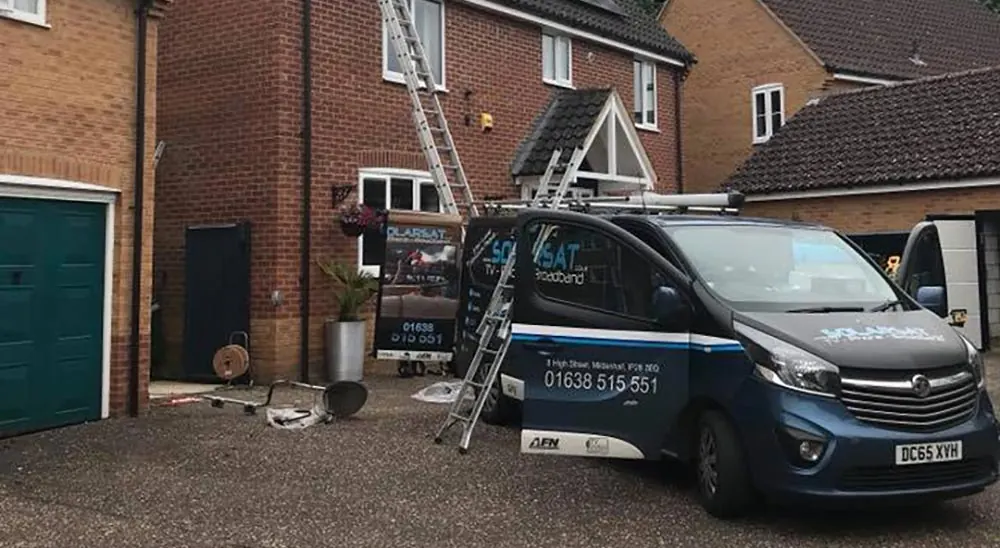
Electrical, solar and EV charging
Electrical repairs, maintenance and installations, plus EV chargers, solar PV panels and battery storage.
Find out more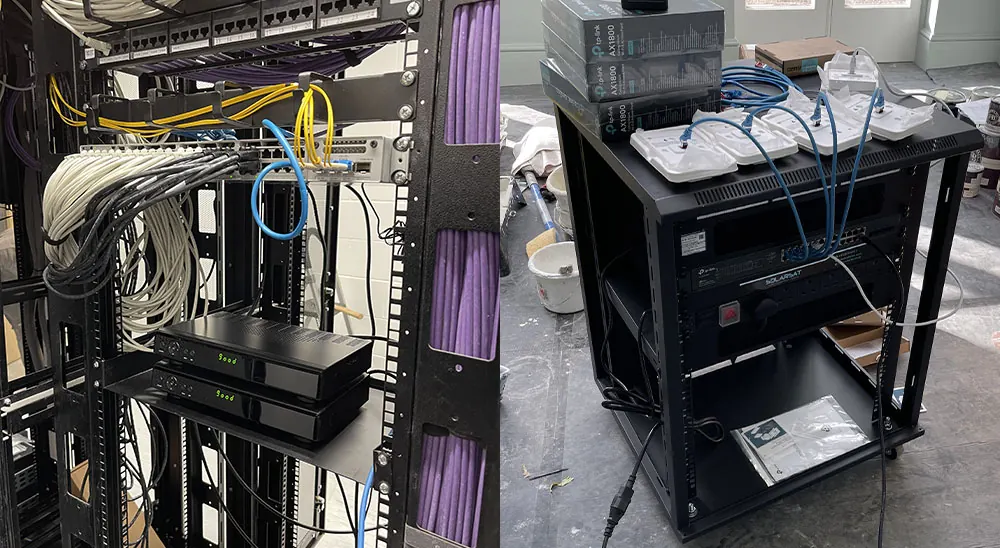
Data and network cabling
Wired network sockets, data cabinets and structured cabling for offices and homes, planned for growth and easy to maintain.
Find out more
FAQs
Frequently asked questions
Want advice for your own home or business?
Call our Mildenhall team or send an enquiry and we will talk through the options.
Enquiries
Ask us a question or get a quote
Tell us a little about your property and what you need. We will get back to you to talk it through.
- 01638 515551
- info@solarsat.co.uk
- Phones and email Monday to Saturday, 8:30am to 6pm
- 8 High Street, Mildenhall, Suffolk IP28 7EQ. Showroom visits by appointment.