
Solarsat guide
Business CCTV and UK data protection responsibilities
For a business, CCTV is an information-handling system as well as security equipment. Images of identifiable customers, workers and visitors bring responsibilities from the planning stage onwards. Give someone ownership of those responsibilities before recording starts. This guide provides general information, not legal advice, and focuses on practical decisions for small organisations rather than household cameras.
Phones and email Monday to Saturday, 8:30am to 6pm. Showroom visits by appointment.
Write down the purpose and lawful basis
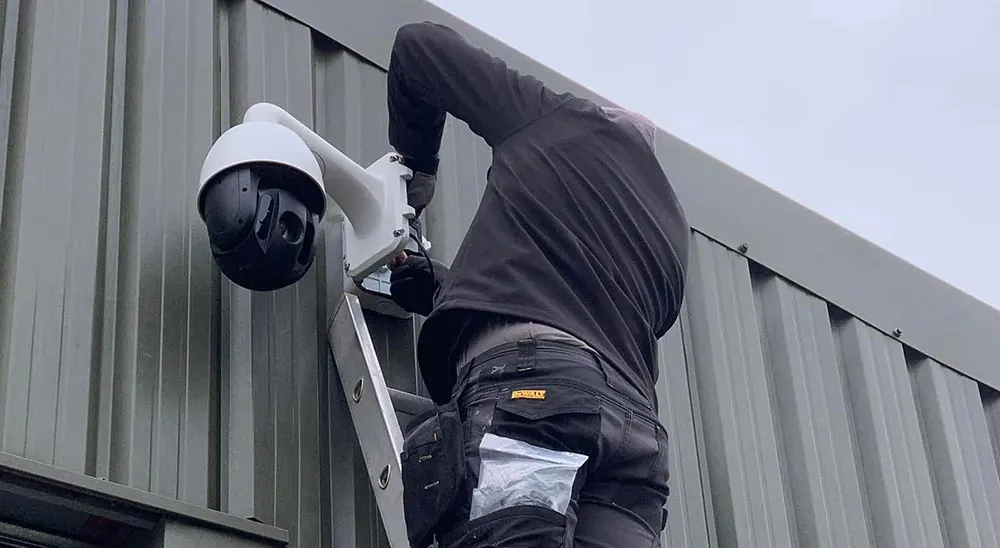
Start with a specific problem, such as investigating unauthorised entry at a stockroom door or protecting staff at a service counter. Record why CCTV is needed, what less intrusive measures were considered and how the proposed views address the problem. A general wish to watch everything is not a useful design brief or a substitute for justification.
Identify and document an appropriate lawful basis before processing begins. Legitimate interests may be relevant for private businesses, but it requires an assessment of necessity and the impact on individuals rather than a simple label. Consider whether a data protection impact assessment is required, particularly where monitoring presents a high risk. ICO guidance checked 26 November 2026 is under review following the Data (Use and Access) Act, so check current ICO guidance when making decisions.
Keep monitoring proportionate to the task
Match coverage, operating hours and image detail to the documented purpose. A camera observing an access point does not necessarily need a clear view of every desk beside it. Review what is captured at night as well as during business hours. Audio is particularly intrusive and should not be enabled simply because a camera supports it; assess any proposed use separately.
Do not install cameras in toilets or changing rooms except in truly exceptional, specifically justified circumstances requiring careful specialist advice and safeguards. Other areas where people reasonably expect privacy also need particular care. Explain workplace monitoring to staff and do not repurpose security footage for routine performance monitoring without assessing the implications. Changes such as analytics, remote viewing by additional managers or a new camera location should trigger a review rather than being treated as minor settings changes.
Tell people and allocate responsibility
Place clear signs where people can see them before entering monitored areas. Signs should identify that recording takes place, who is responsible and how to obtain further information. Support them with an accessible privacy notice explaining the purpose, relevant rights and practical contact route. A sign does not by itself make disproportionate or otherwise unlawful monitoring acceptable.
Check whether the organisation must register with the ICO and pay the data protection fee. Requirements and exemptions depend on the circumstances; do not assume a small business is automatically exempt. Name a person responsible for requests, complaints, retention reviews and access permissions, with cover for absences. Train reception, supervisors and anyone operating the recorder so enquiries are recognised and passed on promptly. Keep instructions usable for occasional staff, not just the person who commissioned the system.
Control access and choose justified retention
Restrict live and recorded viewing to people who need it for their role. Use individual accounts where supported, strong authentication and appropriate access records. Secure the recorder physically, maintain software and avoid sharing administrator credentials between staff. If an installer or monitoring provider can access footage, define responsibilities and put appropriate contractual arrangements in place where required.
Keep footage no longer than necessary for its purpose. There is no universal retention period that every business should copy. Consider how quickly incidents are discovered, justify the chosen period and configure deletion accordingly. A specific incident may require a relevant clip to be preserved separately, with its reason and access controlled. Review retained exports too: automatic recorder deletion does not clear copies on laptops, phones or shared drives. Check deletion settings after equipment changes.
Handle requests and disclosures carefully
A person can make a subject access request for their personal information in CCTV footage. Requests usually require a response within one calendar month, subject to applicable rules and any valid extension or clarification provisions. Recognise requests even when the person does not use legal terminology. Establish identity proportionately and seek enough detail to locate the relevant material without creating unnecessary barriers.
Preserve relevant footage promptly so routine overwriting does not remove it while the request is being handled. Assess third-party information before release; redaction or another suitable approach may be needed to protect others. Do not automatically refuse because other people appear. Police, insurers and other recipients also need an appropriate disclosure decision, secure transfer and a record of what was shared and why. Never circulate an incident clip informally for entertainment or public shaming.
Avoid policy gaps and get privacy-aware help
Common failures include copying another firm's policy without checking the actual system, leaving former employees with app access and keeping exports indefinitely. Another is installing cameras first and asking about privacy after staff object. Schedule reviews when premises, staffing, camera features or security needs change. Test whether the nominated person can actually locate, export and securely delete footage.
Bring in an installer who can translate the agreed privacy requirements into camera positions, masks, account permissions and storage settings. The organisation still owns its compliance decisions; an installer cannot make every legal judgement on its behalf. Seek specialist data protection or legal advice for intrusive monitoring, disputed purposes or difficult disclosures. A useful handover includes system settings, operating instructions and clear boundaries on support access, so practical controls match the written policy.
Source: ICO organisation CCTV guidance checked 26 Nov 2026. ICO guidance is under review following the Data (Use and Access) Act. Check current ICO guidance before acting. General information, not legal advice; owner to verify source wording and review status before publication.
Have a question about your own property? Contact our Mildenhall team.
Related services
Services this guide covers
FAQs
Frequently asked questions
Want advice for your own home or business?
Call our Mildenhall team or send an enquiry and we will talk through the options.
Enquiries
Ask us a question or get a quote
Tell us a little about your property and what you need. We will get back to you to talk it through.
- 01638 515551
- info@solarsat.co.uk
- Phones and email Monday to Saturday, 8:30am to 6pm
- 8 High Street, Mildenhall, Suffolk IP28 7EQ. Showroom visits by appointment.