
Solarsat guide
European and foreign satellite television dishes
A satellite dish intended for European or other foreign television needs to be designed around the specific satellite and receiver, not simply the language of the programmes. Before installation, identify the services and satellite you intend to receive, then assess whether the property offers a suitable view and mounting position.
Phones and email Monday to Saturday, 8:30am to 6pm. Showroom visits by appointment.
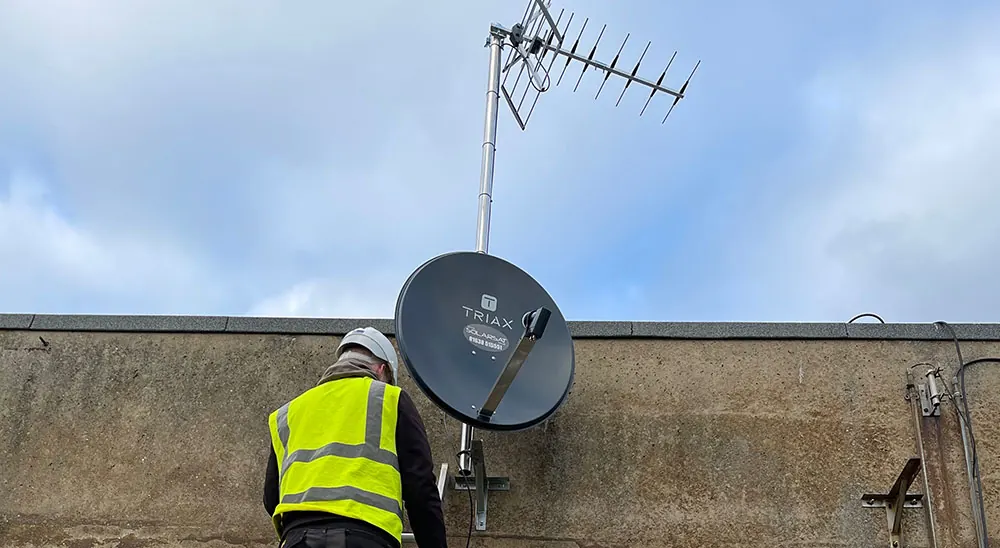
Identify the target satellite first
Different services are carried by different satellites, and a dish positioned for one may not receive another. Before choosing equipment, identify the exact satellite position and the channels or provider you are interested in. Channel information and reception footprints can change, so use current information from the broadcaster or service provider rather than an old equipment list.
A satellite may carry free-to-view channels, subscription services or encrypted content. A dish and receiver alone do not establish viewing rights or guarantee access to a particular programme. Check whether a viewing card, account, compatible receiver or other arrangement is required. An installer can help with physical reception and equipment connections, but provider terms should be confirmed directly.
Use the exact service name when making enquiries, since similarly named channels or packages may be carried differently. If a particular language, programme genre or broadcaster is essential, verify the current reception and access conditions before committing to a dish size or receiver. This helps keep the installation brief focused on what you actually intend to watch.
Dish size, location and line of sight
The appropriate dish depends on the target satellite, required reception margin and local conditions. A larger reflector is not automatically a solution if the mounting point is unstable or the satellite view is obstructed. A survey can check the available direction, nearby buildings, roof geometry and the practical places where a secure bracket could be fitted.
The dish should have a clear view in the relevant direction and be fixed to a suitable part of the building. A tree that is small today may grow into the path, while an extension or neighbouring construction can change reception. Discuss a position that balances reliable signal, safe access, cable distance and the appearance of the home. Avoid choosing a location solely because it is easy to reach from inside.
LNB and receiver compatibility
The LNB must suit the intended satellite and receiver arrangement. Some systems use a single feed, while others need multiple outputs or equipment capable of handling more than one satellite position. Confirm the receiver's specifications before selecting an LNB, as connector count alone does not establish compatibility with every feature or switching arrangement.
Receiver functions vary, including support for high-definition formats, recording and encrypted services. Check that the chosen model is compatible with the intended broadcaster and any required access method. Where a home already has a dish, inspect its LNB, bracket and cabling before reusing it. It may have been set up for a different satellite or a previous receiver, and adaptation may be required.
Cabling and multiple satellite positions
Cable length and route should be considered alongside the dish position. Use suitable satellite cable and weatherproof external connections, and avoid unnecessary joins or sharp bends. If the receiver is far from the dish, discuss the route and any likely signal considerations before installation. A clean entry point and properly secured cable help protect the building and reduce accidental damage.
Receiving more than one satellite position can require additional equipment, such as a multi-LNB arrangement or a motorised mount, depending on the requested setup. These options have different alignment and control requirements. Explain which satellites and receivers are needed before work is quoted, and ask how the proposed arrangement will operate from each room. A simple single-satellite installation may not meet a multi-position viewing plan.
Permissions and reliable installation
Before fixing a dish, check whether the property is rented, managed or subject to restrictions on external equipment. Obtain the relevant permission and discuss any limits on placement, drilling or visible cable. Buildings with special planning considerations may require additional checks. Resolving these questions early helps prevent work being delayed after a technically suitable position has been found.
A competent installation includes secure fixing, accurate alignment and checks at the receiver. Keep a note of the satellite position, equipment model and cable route for future reference. If reception later changes, report the affected services and any recent work or obstruction. Do not adjust a dish from a roof or ladder: precise alignment and safe access are important, especially with larger reflectors or elevated mounts.
Have a question about your own property? Contact our Mildenhall team.
Related services
Services this guide covers
FAQs
Frequently asked questions
Want advice for your own home or business?
Call our Mildenhall team or send an enquiry and we will talk through the options.
Enquiries
Ask us a question or get a quote
Tell us a little about your property and what you need. We will get back to you to talk it through.
- 01638 515551
- info@solarsat.co.uk
- Phones and email Monday to Saturday, 8:30am to 6pm
- 8 High Street, Mildenhall, Suffolk IP28 7EQ. Showroom visits by appointment.