
Solarsat guide
Freesat vs Freeview: choosing a television platform
Freesat and Freeview offer television without a conventional monthly viewing subscription, but they receive broadcasts in different ways. Your location, existing equipment and preferred channels all matter when choosing between a rooftop aerial and a satellite dish.
Phones and email Monday to Saturday, 8:30am to 6pm. Showroom visits by appointment.
How the two services receive television
Freeview is delivered through terrestrial television transmitters and is normally received by a suitable aerial connected to a television or receiver. Reception depends on the coverage available at the property, the aerial's condition and position, and factors such as nearby buildings, trees and terrain. A postcode check is a useful starting point, but it cannot reveal every issue with a particular roof or cable run.
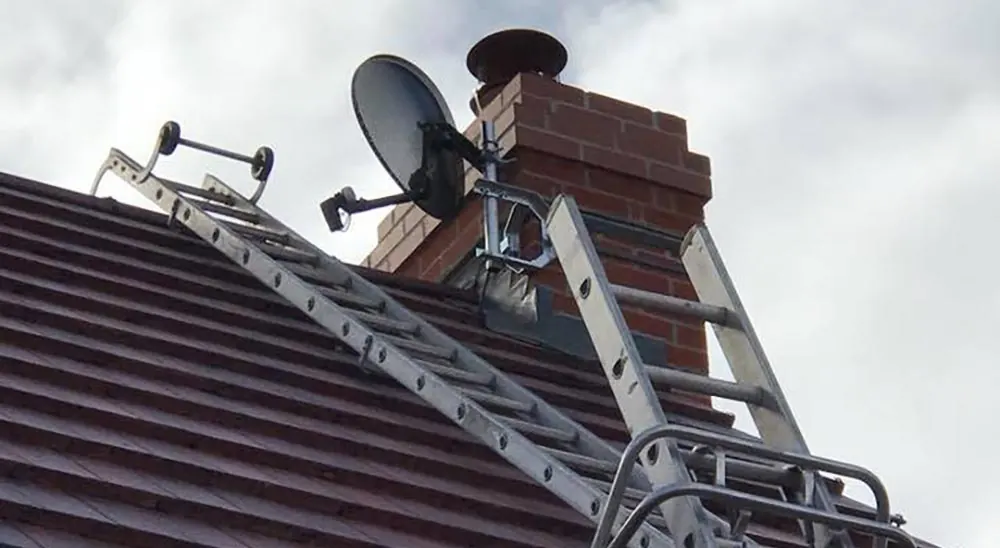
Freesat uses satellite broadcasts received by a dish and compatible receiver or television. The dish must have a clear view towards the relevant satellites, and its cabling and connections need to be suitable for the equipment. Satellite reception is not dependent on the local terrestrial transmitter, which can make it an alternative where aerial reception is weak, although a dish installation has its own positioning and access considerations.
Channels and viewing habits
Both platforms provide a range of free-to-view television, but their line-ups and electronic programme guides are not identical and can change over time. Before choosing, write down the channels and types of programmes that matter to your household, then compare the current platform listings. Do not assume that a channel available on one service will appear in the same form or position on the other.
Some viewing is delivered through internet-connected apps rather than a broadcast signal. The experience then depends on compatible equipment, app support and a reliable broadband connection. If catch-up viewing is important, check each device's current features and consider whether your broadband reaches the room where the television is used. A platform choice should reflect everyday viewing rather than channel totals alone.
If you watch television in more than one room, compare how each service can be distributed around the home. A single receiver may not serve every room independently, and extra equipment or wiring may be needed. Include those practical requirements when comparing the platforms, especially if different household members want to watch separate programmes.
Equipment and recording
An existing aerial may already provide Freeview, but an older, damaged or poorly aligned aerial can cause missing services or intermittent reception. A television may have a built-in tuner, while another setup uses a separate receiver. Check the connections and supported features before buying anything, particularly if you want recording, pause and rewind functions or multiple televisions.
Freesat needs a compatible satellite tuner and a correctly connected dish feed. Some homes already have a dish, but its condition, alignment, cable and connection type should be checked rather than assumed suitable. Receiver functions vary, and recording models may need more than one feed. Confirm the requirements for the exact receiver before asking an installer to assess or adapt the system.
Signal problems and resilience
A weak Freeview picture can result from more than the aerial itself. Loose plugs, damaged cable, splitters, amplifier faults or interference can all affect performance. If the problem affects several channels or rooms, note when it occurs and which equipment is involved. A measured inspection can help distinguish a reception problem from a faulty lead or television setting.
Satellite reception can be disrupted by a dish that has moved, a poor connection, water ingress or an obstruction in the line of sight. Heavy weather may affect reception temporarily, but recurring problems deserve a check rather than repeated retuning. Avoid climbing to a roof or adjusting a dish yourself: access and work at height can be hazardous, and small changes in alignment may worsen the signal.
Choosing and arranging installation
Start with what is already installed. Identify the aerial or dish, trace which rooms receive a signal and check the television's available tuners. If reception is satisfactory and the platform supplies the programmes you watch, replacement may not be necessary. If you are switching, ask whether existing wiring can be reused and whether the proposed receiver supports your intended setup.
An installer can assess access, mounting position, cable routes and signal quality before recommending work. Explain whether you need one television, several rooms or recording, and mention any planned building work. A clear scope helps avoid surprises about additional feeds or internal cabling. Compare the practical installation proposal as well as the platform, since tidy routing and sound connections affect long-term usability.
Have a question about your own property? Contact our Mildenhall team.
Related services
Services this guide covers
Freesat installation
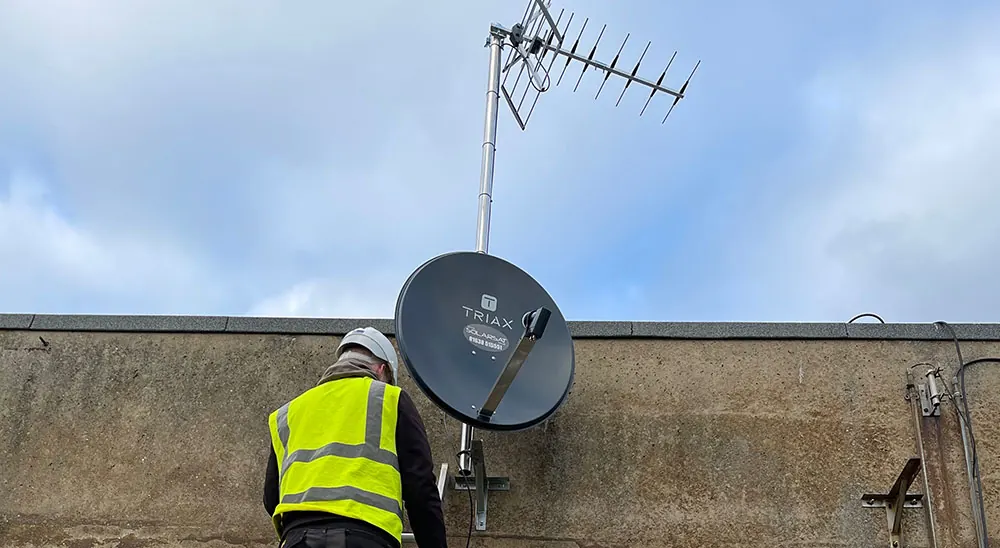
Subscription-free satellite TV dishes, installed and aligned, with feeds to each room and your aerial combined on one plate.
Find out moreTV aerials
TV aerial installation, extra TV points, multi-point systems for flats and repairs, with over 20 years of experience.
Find out moreSatellite TV
Freesat, Sky and AFN installations, multi-dwelling systems and callout diagnostics for signal problems.
Find out more
FAQs
Frequently asked questions
Want advice for your own home or business?
Call our Mildenhall team or send an enquiry and we will talk through the options.
Enquiries
Ask us a question or get a quote
Tell us a little about your property and what you need. We will get back to you to talk it through.
- 01638 515551
- info@solarsat.co.uk
- Phones and email Monday to Saturday, 8:30am to 6pm
- 8 High Street, Mildenhall, Suffolk IP28 7EQ. Showroom visits by appointment.