
Solarsat guide
Home cinema and surround sound: how to plan it properly
A great home cinema is less about buying the loudest speakers and more about matching the screen, speakers and acoustics to the room. This guide covers living-room versus dedicated cinema setups, speaker layouts, wiring and cost factors.
Phones and email Monday to Saturday, 8:30am to 6pm. Showroom visits by appointment.
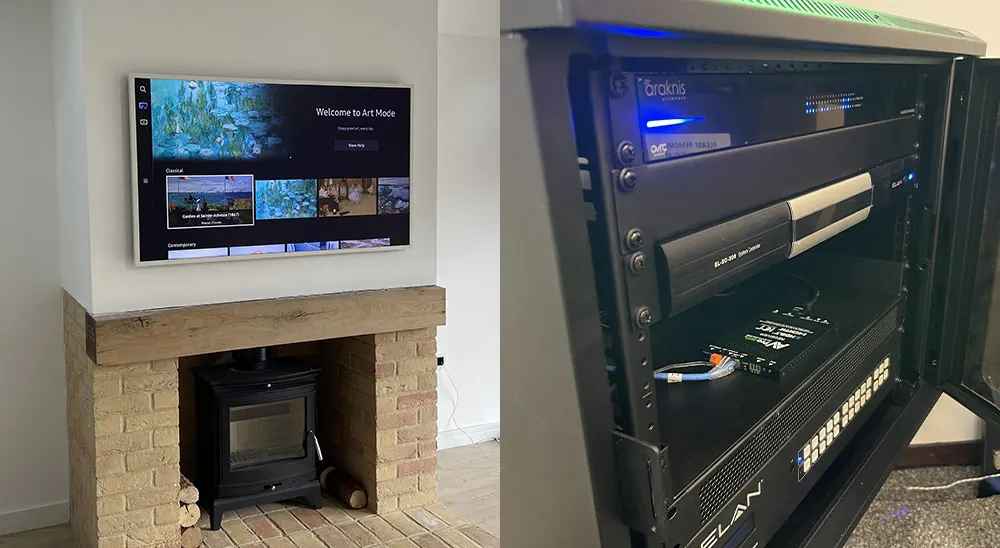
Dedicated cinema room versus living-room surround sound
Start by deciding how the room will be used day to day. A dedicated spare room, garage conversion or loft room can be painted darker, blacked out with blinds and fitted with a large projection screen and full surround speakers without compromising family living space.
In a shared living room, the setup has to look tidy when switched off. In-wall or in-ceiling speakers, a flush-mounted large television and an AV equipment rack tucked inside a cupboard deliver genuine cinema sound without filling the room with black boxes and trailing cables.
Think about seating layout early as well. Knowing where the main sofa or cinema chairs will sit lets the installer set the exact screen height, viewing distance and surround speaker angles before any wiring goes into the walls.
Large TV versus projector and screen
Modern 75-inch to 98-inch televisions are bright enough to watch in daylight with the curtains open and need no warm-up or lamp maintenance. For bright, multi-use living rooms, a large TV is usually the most practical focal point.
A projector and screen come into their own when you want a truly huge image, typically 100 inches or more, in a room where you can control ambient light. Motorised drop-down screens let a living room stay uncluttered during the day and turn into a cinema at night.
Pay attention to throw distance and ceiling height when considering a projector. Ultra-short-throw projectors sit on a low unit right below the screen, whereas standard ceiling-mounted projectors need a clear path above viewers' heads and a dedicated power and HDMI feed in the ceiling.
Speaker layouts that fit real UK rooms
A classic 5.1 system uses three front speakers (left, centre and right), two surround speakers near the seating area and a subwoofer for low bass. Adding two or four ceiling speakers creates a Dolby Atmos layout that adds overhead effects without cluttering the floor.
The centre speaker carries most of the dialogue, so positioning it cleanly at ear height or directly below the screen matters more than almost anything else. Placing rear speakers right against the back of a sofa pushed hard against the rear wall often sounds harsh; in-ceiling or wider wall-mounted surrounds usually work better in compact rooms.
A single well-placed subwoofer tucked neatly beside a sofa or cabinet adds deep, controlled cinema impact without needing huge floor-standing speakers in every corner of the room.
Wiring before plastering and decorating
The cleanest time to plan home cinema cabling is before plasterboard goes up or before decorating. Running speaker cables, subwoofer leads, high-speed HDMI cables, mains power for a projector and wired network points during first fix hides every wire permanently.
Even in an already decorated room, an installer can often route speaker cables under floorboards, through loft voids or inside discreet architectural channels with minimal disruption.
Leaving a draw cord or generous conduit between the equipment rack and the screen or projector makes future HDMI upgrades straightforward as video standards evolve.
What affects cost and mistakes to avoid
Home cinema budgets vary widely depending on room size, whether building or plastering work is involved, TV versus projector choice, speaker grade and whether you want automated lighting and single-remote control.
Common mistakes include putting all the budget into a huge screen while ignoring room acoustics (bare wooden floors and big glass windows create harsh echo), hiding an AV receiver inside an unventilated cabinet where it overheats, and skipping a wired network cable for 4K streaming.
Another mistake is leaving control complicated. If watching a film requires four different remotes and switching three inputs manually, the family will stop using the system.
When to hire a home cinema installer
Because home cinema combines screen geometry, speaker calibration, hidden cabling, ventilation and simple control, bringing an installer in at the planning stage prevents expensive rework. We design and install both discreet living-room setups and dedicated cinema rooms.
Proper speaker calibration and subwoofer placement make a bigger difference to clarity and dialogue than spending extra on larger boxes alone, and an installer will tune the room to your exact seating position before handover.
Have a question about your own property? Contact our Mildenhall team.
Related services
Services this guide covers
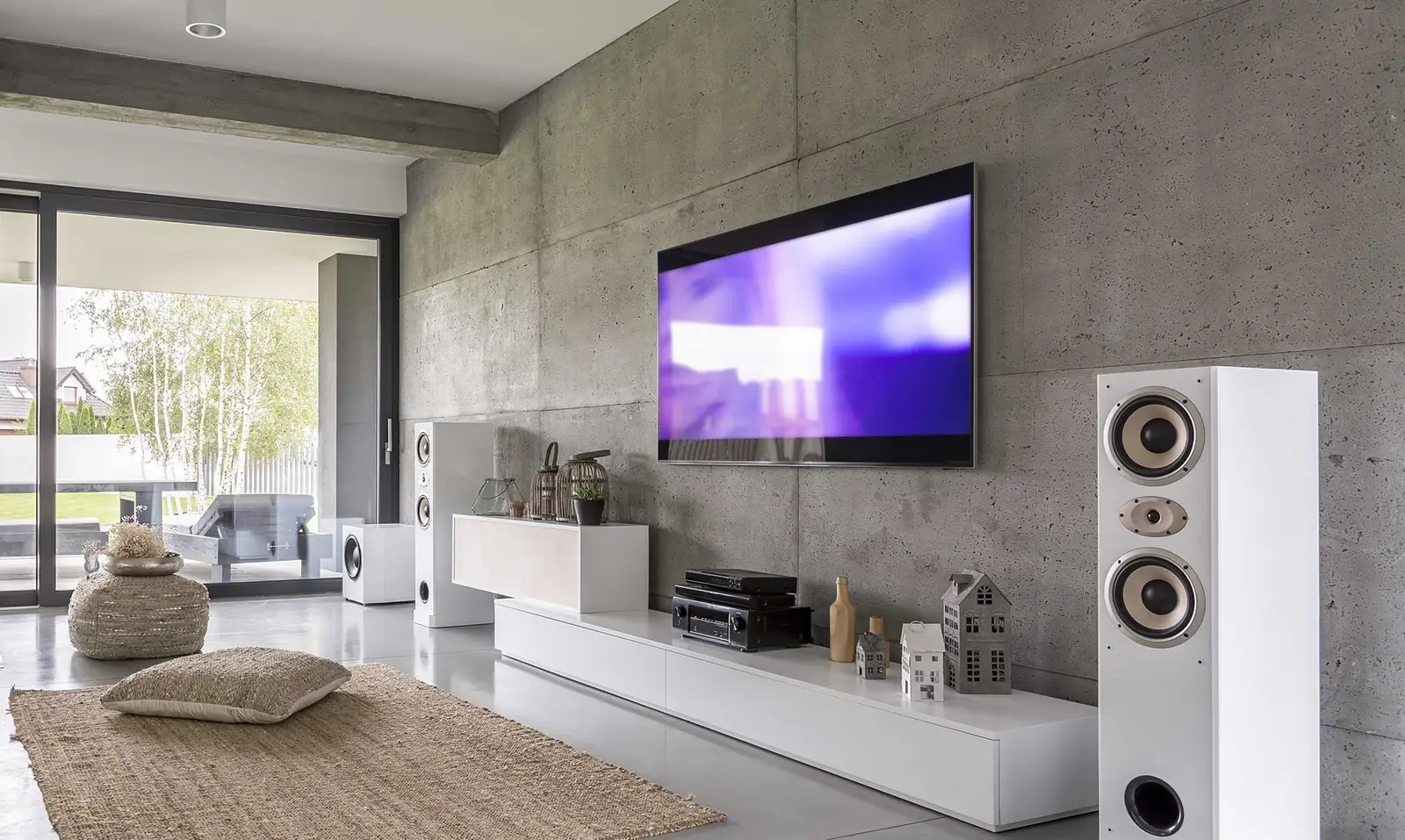
Home cinema installation
Dedicated cinema rooms and living room cinema set-ups, with the right screen, surround sound and one-touch control.
Find out moreProjector installation
Projectors and screens chosen for the room, mounted in the right place with hidden cables and simple control.
Find out moreAudio-visual and home cinema
TV wall mounting, media walls, home cinema, multi-room music and commercial AV, designed and installed by our own team.
Find out more
FAQs
Frequently asked questions
Want advice for your own home or business?
Call our Mildenhall team or send an enquiry and we will talk through the options.
Enquiries
Ask us a question or get a quote
Tell us a little about your property and what you need. We will get back to you to talk it through.
- 01638 515551
- info@solarsat.co.uk
- Phones and email Monday to Saturday, 8:30am to 6pm
- 8 High Street, Mildenhall, Suffolk IP28 7EQ. Showroom visits by appointment.