
Solarsat guide
Home cinema acoustics, blackout and lighting basics
A convincing cinema room is shaped by more than its screen and speakers. Reflective surfaces, daylight and poorly placed lights can distract from the picture and sound. Thoughtful changes to the room can improve comfort without turning it into a specialist studio or filling it with unnecessary equipment.
Phones and email Monday to Saturday, 8:30am to 6pm. Showroom visits by appointment.
Listen to the room before treating it
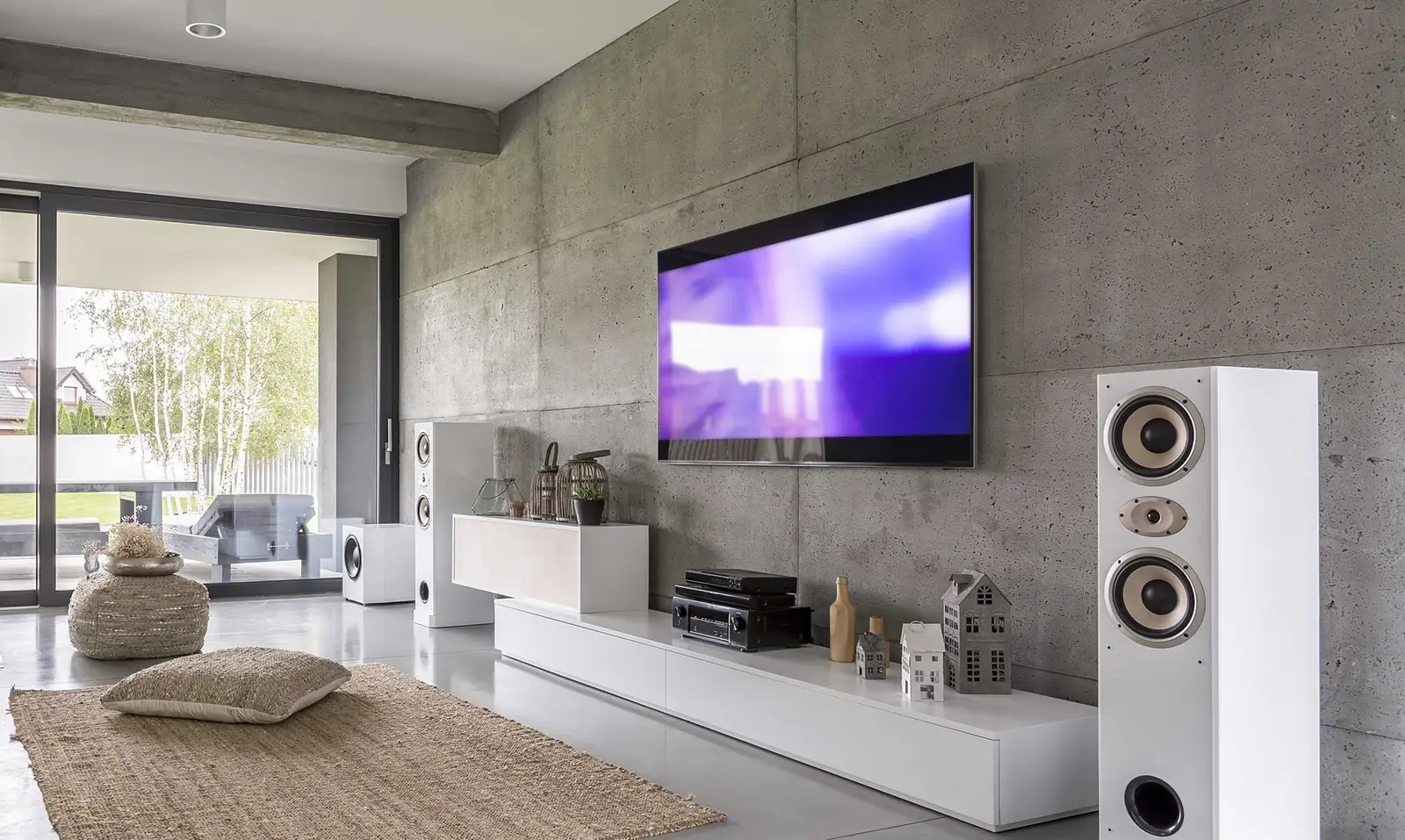
Hard floors, bare walls and large glazing can make sound feel lively or echoing, while a room crowded with soft furnishings can sound dull. Listen to speech and music from the intended seats before adding treatment. Identify the problem first, because a product marketed for a cinema may not address the actual room issue.
Furniture, rugs and curtains can reduce some reflections and make the space more comfortable. Their effect depends on material, coverage and location. A rug between the front speakers and seating may help tame floor reflections, while a curtain can soften a large glazed surface when closed.
Avoid covering every wall with absorptive material without a plan. Some reflection helps a room sound natural, and excessive absorption can make it feel lifeless. Where the room has persistent boom, flutter echo or uneven sound, a specialist assessment can distinguish acoustics from speaker placement or equipment configuration.
Control daylight and screen reflections
Observe the room at different times of day and note where daylight reaches the screen or the viewer’s eyes. A window that seems harmless in the morning may create glare later. Use suitable curtains, blinds or shutters to manage the light, and check that they can be operated easily during a viewing session.
Blackout fabric can reduce incoming light, but gaps around the edges may still produce bright lines. Consider the window shape, door access and ventilation needs when selecting a covering. Do not obstruct required vents or create a trip hazard with curtains that trail across the floor.
Also review reflective finishes near the screen. Gloss paint, glass-fronted cabinets and polished surfaces can catch picture light or reflect the screen back into the room. A more subdued finish in the viewing area can reduce distraction without requiring a complete redecoration.
Build lighting in comfortable layers
A single bright ceiling light is rarely ideal for every use. Consider separate ambient, task and low-level lighting so people can enter, find a seat and watch comfortably. Dimmers allow adjustment as the room changes from social use to a darker film setting.
Position fittings so they do not shine directly onto the screen or into viewers’ eyes. Wall lights can create a gentle wash if their beams are directed carefully, while low-level step or aisle lights can assist movement. Check reflections from shiny surfaces at the dimmed levels you expect to use.
Plan the controls before choosing fittings. Group lights in a way that makes sense for the room, label switches and consider whether a remote or smart control is practical. Any new electrical work should be carried out in accordance with applicable requirements by an appropriately qualified person.
Keep the picture and seating in balance
Projector rooms need particular attention to ambient light, because stray light can reduce perceived image contrast. Darker finishes around the screen may help, but should be balanced with the room’s everyday use. Test the projector image at the planned screen size before committing to major decoration.
Arrange seats to give viewers a clear sightline without placing them too close to a speaker or obstructing a walkway. Leave space for reclining seats to move and ensure people can reach the door safely in low light. A comfortable room should work between films as well as during them.
Consider screen height and viewing distance alongside lighting. A bright fitting in the sightline can remain distracting even when dimmed, while a screen viewed at an awkward angle may make an otherwise polished room tiring. Mock up the seating and screen position before final installation.
Make improvements in a sensible order
Begin with practical changes that are reversible: rearrange furniture, close existing curtains, dim lights and listen again. This helps identify which change makes a real difference before purchasing panels or commissioning building work. Keep notes on the seats and content used for comparison.
Next, address clearly identified problems such as persistent glare, hard reflections or intrusive equipment noise. Select materials that suit the room’s appearance, maintenance and fire-safety considerations. Follow product instructions and avoid blocking ventilation or access panels with decorative treatment.
Once the room layout is settled, calibrate the audio system and set projector or display modes for the light conditions. Recheck after changes to curtains, seating or wall finishes, as these can alter the experience. The aim is a usable, comfortable space rather than a room that is dark and silent at all times.
Have a question about your own property? Contact our Mildenhall team.
Related services
Services this guide covers
Home cinema installation
Dedicated cinema rooms and living room cinema set-ups, with the right screen, surround sound and one-touch control.
Find out moreProjector installation
Projectors and screens chosen for the room, mounted in the right place with hidden cables and simple control.
Find out moreAudio-visual and home cinema
TV wall mounting, media walls, home cinema, multi-room music and commercial AV, designed and installed by our own team.
Find out more
FAQs
Frequently asked questions
Want advice for your own home or business?
Call our Mildenhall team or send an enquiry and we will talk through the options.
Enquiries
Ask us a question or get a quote
Tell us a little about your property and what you need. We will get back to you to talk it through.
- 01638 515551
- info@solarsat.co.uk
- Phones and email Monday to Saturday, 8:30am to 6pm
- 8 High Street, Mildenhall, Suffolk IP28 7EQ. Showroom visits by appointment.