
Solarsat guide
How to improve slow upload speeds in rural areas
Slow uploads can disrupt video calls, cloud backups, sending large files and remote work. The cause may be the broadband service, busy household devices, weak Wi-Fi or a particular computer. Before replacing equipment, make a few controlled checks to identify where the slowdown begins and whether it happens consistently.
Phones and email Monday to Saturday, 8:30am to 6pm. Showroom visits by appointment.
Establish what is slow and when
Identify the task that is failing and how often it happens. A video call may be affected by latency, packet loss or upload capacity, while a large cloud backup makes sustained upload speed easier to observe. Note whether the problem affects one device, several devices or the whole household, and whether it occurs at a particular time of day.
Pause other large uploads, such as photo synchronisation, security camera clips or computer backups, before testing. These may use upstream capacity without being obvious. Check whether a device is installing updates or sending a large attachment. Record the test time, connection type and result so you can compare like with like rather than relying on a single speed test.
Test the broadband connection directly
Where possible, connect a computer to the router by Ethernet and temporarily switch off other heavy network use. Run several tests using a reputable service and note download, upload and latency. If the wired results are consistently stronger than Wi-Fi results, improve the local wireless network first. If wired uploads remain low, the limitation may lie with the internet service or its current conditions.
Use a sound Ethernet cable and check that the computer reports a wired link. Results can vary as tests use different servers and network routes, so look for a pattern across several checks. Avoid testing while a large file is being sent. If you contact your provider, share dates, times and wired results and ask whether there is an issue or service limit affecting upstream performance.
Improve Wi-Fi and reduce competing traffic
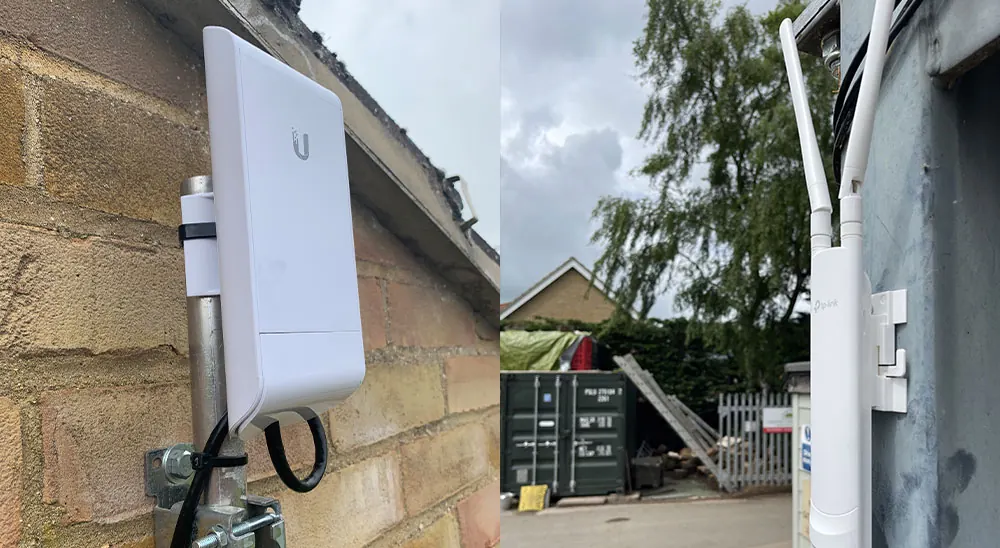
If Wi-Fi is the weak point, place the router in an open central position and away from metal cabinets, appliances and dense masonry where practical. Test near the router and in the room where uploads are needed. A wired connection for a work computer can provide a steadier path, while access points connected by Ethernet can improve coverage elsewhere.
Review cloud backup schedules, camera recording settings and large file synchronisation. Schedule non-urgent transfers overnight if the software allows it, but do not disable security or backups without understanding the consequences. Router quality of service features may help prioritise calls, though they cannot create additional upstream capacity. Make one change at a time and retest the same task.
Consider the broadband technology
Some broadband services provide much less upload capacity than download capacity. If wired tests show a consistent upstream limit, check what other technologies are actually available at the property. Options can include a different fixed service, mobile broadband or satellite, depending on location, coverage, equipment requirements and service terms.
Compare upload performance, latency, usage conditions, installation needs and total ongoing costs rather than selecting on advertised downloads alone. If considering Starlink or a mobile router, check the exact site and provider information. Neither service is identical everywhere, and a quoted or advertised peak does not guarantee a particular result at your home.
Make uploads more manageable
For large files, check whether the application can resume an interrupted transfer or compress files appropriately. Sending a link to a securely stored file may be more efficient than repeated email attachments, subject to your organisation’s policies. For calls, use Ethernet where possible and close applications that are actively uploading during important meetings.
Keep a short record of the tests, service details and network changes. If a broadband upgrade is planned, repeat the same checks afterwards under similar conditions. This helps confirm whether the upstream service improved or whether a separate Wi-Fi or device issue remains. An installer can assess router placement, cabling and coverage when the evidence points to the in-home network.
If video calls, cloud backups or remote CCTV viewing stall on a rural connection, check whether the bottleneck is the broadband line itself or weak indoor Wi-Fi between your desk and the router. Testing a wired Ethernet connection directly at the router separates line limits from wireless losses, and scheduling large backups overnight keeps daytime upload bandwidth clear for video calls, large file transfers and daily remote work.
Have a question about your own property? Contact our Mildenhall team.
Related services
Services this guide covers

Rural broadband
Fast, reliable internet for rural homes and businesses using 4G, 5G and Starlink, with planning, installation and support.
Find out moreStarlink installation
Starlink dishes positioned for a clear view of the sky, cabled in neatly and shared round the house and outbuildings.
Find out more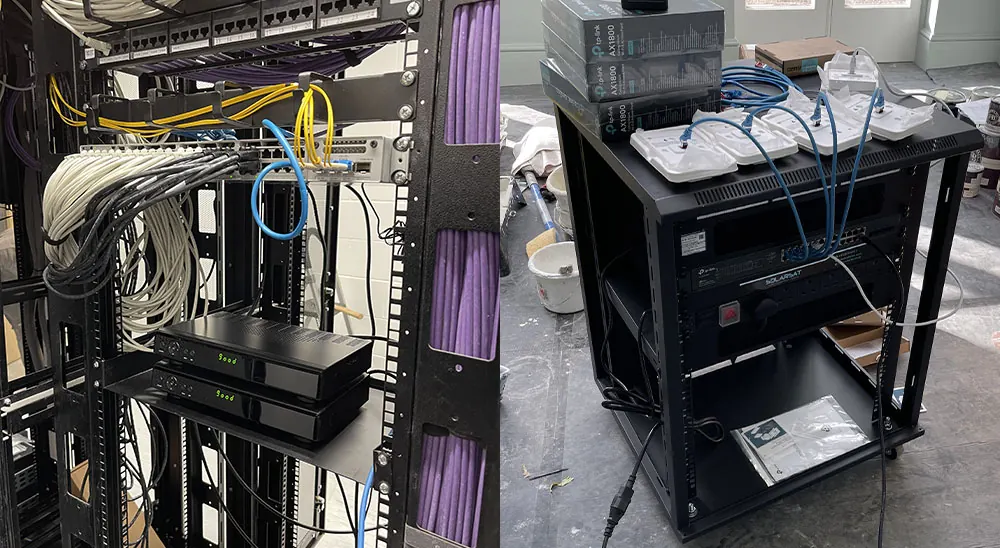
Wi-Fi and networking
Whole-property Wi-Fi, outdoor coverage, wired network points, data cabinets and wireless links between buildings.
Find out more
FAQs
Frequently asked questions
Want advice for your own home or business?
Call our Mildenhall team or send an enquiry and we will talk through the options.
Enquiries
Ask us a question or get a quote
Tell us a little about your property and what you need. We will get back to you to talk it through.
- 01638 515551
- info@solarsat.co.uk
- Phones and email Monday to Saturday, 8:30am to 6pm
- 8 High Street, Mildenhall, Suffolk IP28 7EQ. Showroom visits by appointment.