
Solarsat guide
Planning power for gardens and outbuildings
Garden power can make routine jobs easier, from using tools to lighting a path or working in a shed. A reliable installation starts with how the space will be used, not simply where a socket can be fitted. Outdoor conditions, cable routes and the electrical demands of any outbuilding all affect the design.
Phones and email Monday to Saturday, 8:30am to 6pm. Showroom visits by appointment.
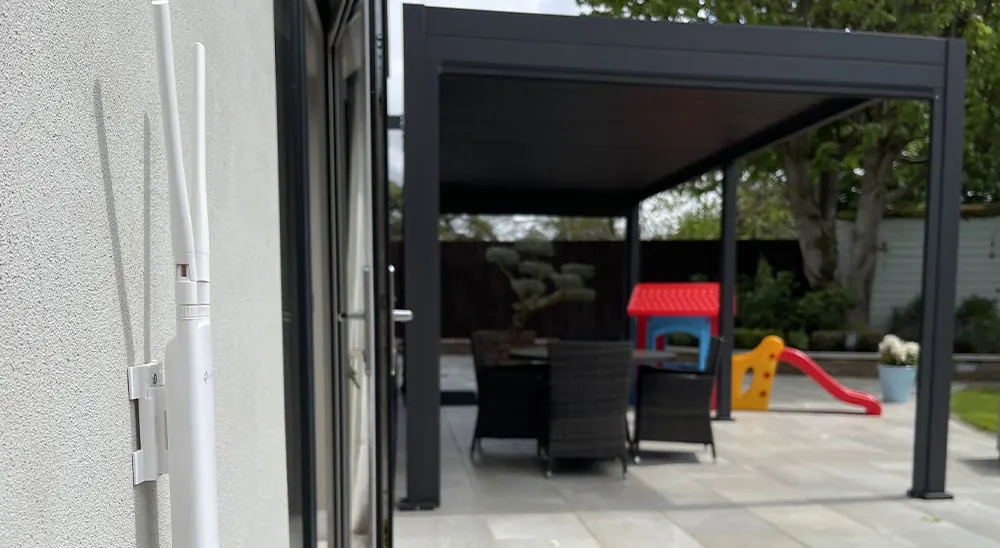
Start with a use plan
List the equipment likely to need power and where it will be used. Occasional hedge trimming has different demands from a workshop with heating, battery charging or several machines running together. Include garden lighting, pumps and seasonal equipment, as well as future plans such as a home office or greenhouse. This prevents a supply being designed only for the first appliance.
A sketch showing the house, shed, paths, planting beds and likely socket positions helps a site assessment. Mark gates, drains, patios and areas where digging may be difficult. Note whether equipment will be plugged in while someone is working outdoors or left connected. The arrangement should reduce trailing leads across walkways and keep outlets accessible without placing them where they are easily struck or soaked.
Choosing an outdoor route
The supply may be taken from an appropriate point in the existing electrical installation, but its capacity and protective arrangements need checking first. The route could follow a building, pass through a suitable duct or cross a garden underground. Each option has practical trade-offs involving excavation, access, appearance and protection from later gardening work.
Buried cables need a route and installation method suited to their location, with appropriate protection and warning measures. Before any digging, identify other services and consider where future fence posts, trees or paving might go. A neat route today should not become a hidden hazard during later landscaping. Keep a record of the installed path for future maintenance.
Equipment and weather exposure
Outdoor accessories must be selected for their intended exposure and installed so that their covers, entries and seals function correctly. A product’s stated protection rating is only part of the picture: position, orientation, cable entry and how often the enclosure is opened can affect its real-world suitability. Avoid placing sockets directly where roof runoff or irrigation sprays will routinely reach them.
Sockets should be convenient but not obstructed by stored items, soil or furniture. Consider how a plug and cable will sit when in use, and whether a cover can close properly around the connection. Lighting and other fixed equipment need similarly careful selection. The electrician can explain maintenance needs, including keeping seals and covers in serviceable condition.
Supply capacity and protection
An outbuilding with several loads may need more than a simple socket feed. The electrician should establish the likely demand, cable length, installation method and voltage drop, then decide what circuit arrangement and protective devices are suitable. The existing consumer unit and earthing arrangements also matter. Never assume a spare-looking breaker means there is capacity for a new circuit.
Where appropriate, additional protection can help reduce risk, but it does not compensate for poor equipment choice or careless installation. Ask how the circuit will be isolated and what to do if a protective device trips. If machinery, heating or charging equipment is planned, tell the installer before work begins because those loads can change the design requirements.
Installation, checks and future changes
Before work, agree the outlet positions, route, access and any making-good responsibilities. Keep pets and children away from open excavations and work areas. Once installed, the electrician should carry out suitable inspection and testing and provide relevant information for the new work. Ask how to operate the isolation point and where records will be kept.
If garden use changes, review the installation before adding high-demand equipment or extending circuits. Avoid daisy-chaining outdoor extension leads as a permanent arrangement, and do not use damaged accessories. Report water ingress, cracked covers, loose fittings or repeated tripping. A planned installation with room for reasonable future use is safer and more convenient than improvised additions.
Think about how the garden changes through the seasons. A socket hidden by summer planting may be awkward to use in winter, and a route exposed during lawn or hedge work needs to be considered carefully. Make outlet positions part of the wider garden plan, including storage, access and the locations of water features.
Have a question about your own property? Contact our Mildenhall team.
Related services
Services this guide covers
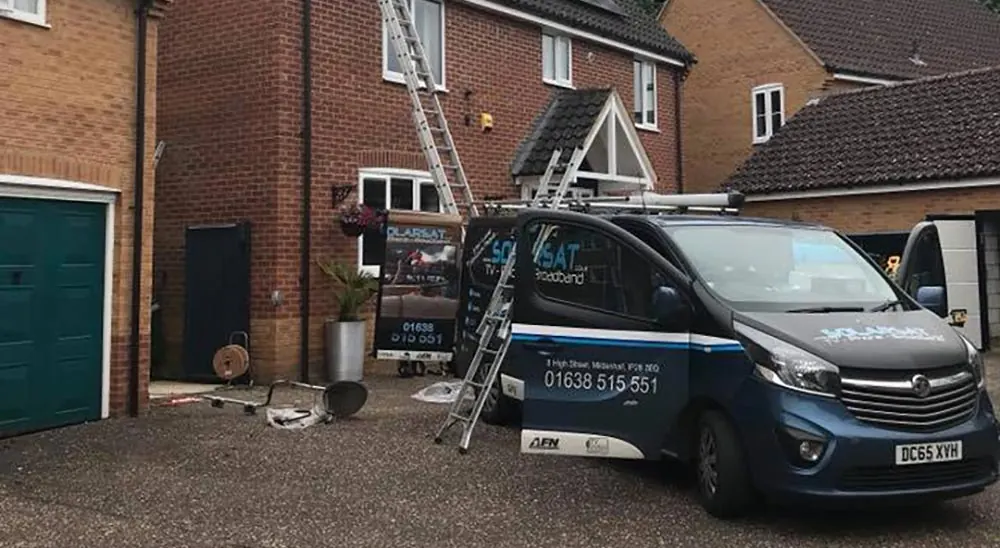
Electrical, solar and EV charging
Electrical repairs, maintenance and installations, plus EV chargers, solar PV panels and battery storage.
Find out more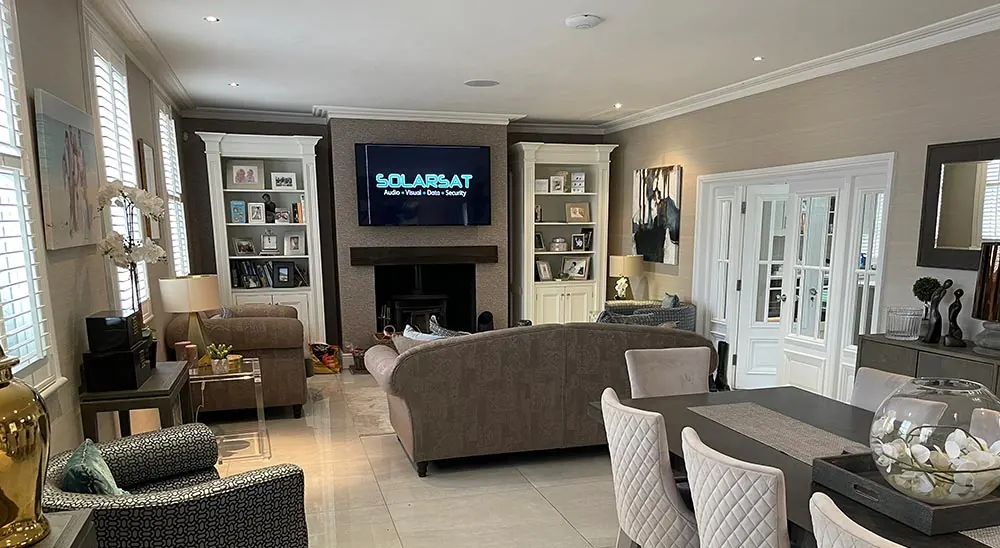
Smart home and automation
Control lighting, climate, appliances and AV from your phone or a control panel, at home or across a business.
Find out more
FAQs
Frequently asked questions
Want advice for your own home or business?
Call our Mildenhall team or send an enquiry and we will talk through the options.
Enquiries
Ask us a question or get a quote
Tell us a little about your property and what you need. We will get back to you to talk it through.
- 01638 515551
- info@solarsat.co.uk
- Phones and email Monday to Saturday, 8:30am to 6pm
- 8 High Street, Mildenhall, Suffolk IP28 7EQ. Showroom visits by appointment.